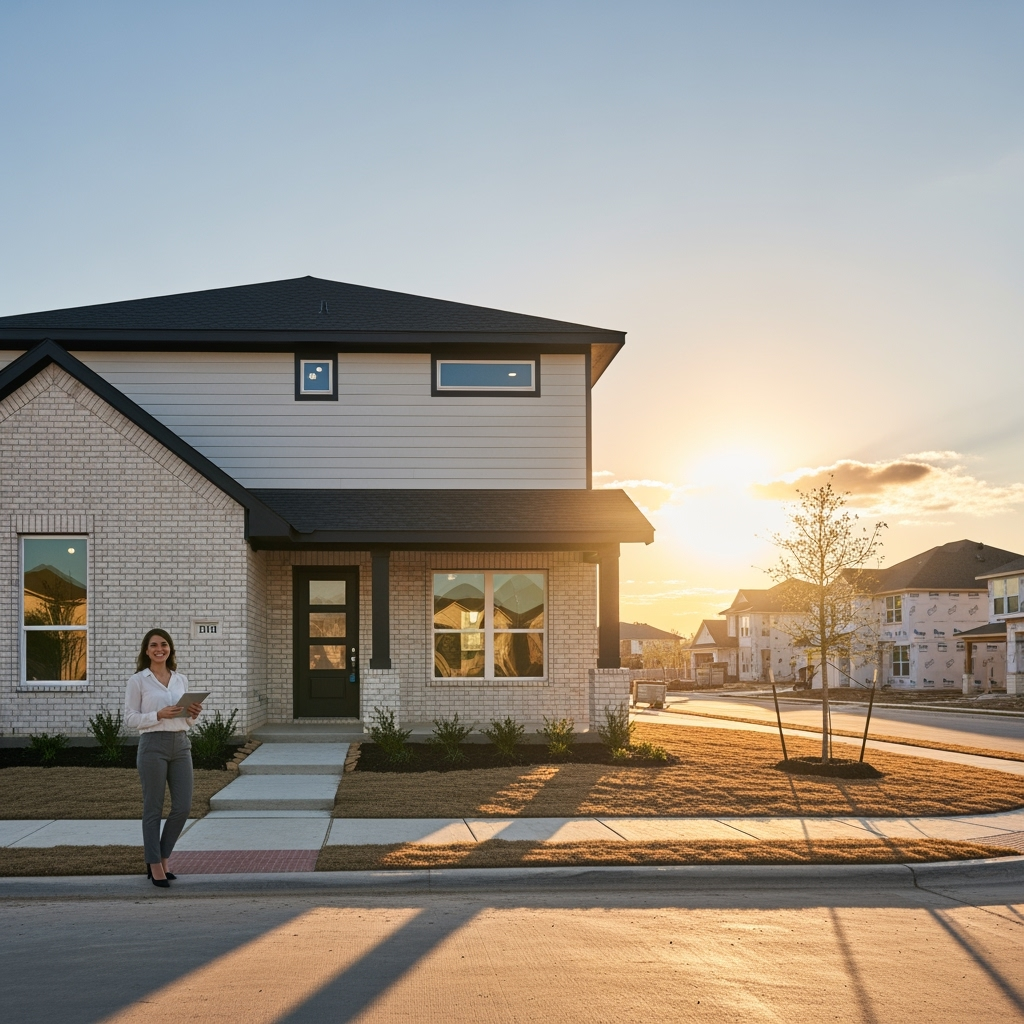
I know hunting for affordable new homes San Antonio can feel overwhelming, but it’s easier when you know where to look and what matters most. The city is growing fast, and the U.S. Census Bureau reports steady population and housing demand that keeps new communities popping up across the area—that growth often creates opportunities for buyers looking for value from new construction. In this guide I’ll walk you through practical steps, local context, and trends so you can find a new home that fits your budget and lifestyle.
Why buying new makes sense in San Antonio
New construction homes often cost less in ongoing expenses and deliver modern layouts buyers want today. In San Antonio, where neighborhoods balance affordability with easy access to jobs, schools, and highways, buying a freshly built home can mean fewer repairs, updated energy features, and a home tailored to how you live. I’ve seen buyers trade older maintenance headache homes for new builds that let them focus on life instead of upgrades.
How to search for affordable new homes in the city
Start with a clear budget and a must-have list, then target builders and communities that match both. New communities often advertise floor plans, base pricing, and move-in-ready options. Drive through growing edges of the city to see signage and model homes, and make a short list of two or three communities that consistently feature lower entry-level pricing for similar square footage.
Local places to watch for new construction
San Antonio’s growth touches many corridors. Look beyond the central neighborhoods and toward developing zones where land costs are lower and builders can offer more affordable base pricing. Keep in mind commute routes, local schools, and nearby services so affordability doesn’t come with hidden time or travel costs later.
Top search tactics that actually find affordable options
- Track builder incentives and inventory: Builders often discount quick-close homes or offer upgrades at no extra cost to move inventory.
- Compare base plans rather than fully optioned shows: Model homes include upgrades that inflate the perceived price.
- Use new-construction filters on listing sites and schedule midweek visits to model centers when agents have more time to talk details.
- Ask about energy and utility estimates so you can compare total monthly costs, not just mortgage payments.
Financing and affordability strategies that help you qualify
Securing an affordable purchase is often about financing as much as price. Conventional loans, FHA, VA, and builder-backed programs each have pros and cons. If you’re a first-time buyer, state and local down payment assistance programs can change the math. I recommend getting pre-approved before you get serious so you know what size of home will fit your payment target.
Smart financing moves
Talk to a mortgage professional who understands new-construction timelines. Some lenders offer interest rate locks for construction-to-permanent loans, and some builders partner with preferred lenders who offer closing-cost credits. Ask for an estimate that includes taxes, homeowners association fees, and any community amenity dues so you can compare apples to apples.
What to look for in new-construction homes to keep costs low long-term
When comparing floor plans and builders, focus on features that reduce future expenses and improve resale. Energy-efficient appliances, quality insulation, and properly installed windows will matter in monthly utility bills. Consider the layout: open plans that maximize usable space often cost less per square foot than sprawling plans. Also check the home’s warranty coverage for major systems so you’re not surprised by early repair bills.
How builders solve common buyer problems
Good builders streamline four big problems home buyers face: unpredictable repair costs, outdated systems, limited flexibility in layout, and confused timelines. Many builders now offer transparent upgrade pricing, clear timelines for construction, and extended warranties. If you meet with a builder’s sales team, ask for a written timeline and a clear list of what’s included in the base price versus optional upgrades. This cuts down surprises and helps you compare offers between communities.
Trends shaping the affordable new home market
A few trends are changing how buyers find value in new homes right now.
- Mortgage rate sensitivity: Even small rate shifts alter buying power, so builders and lenders are offering creative incentives to bridge gaps for buyers.
- Energy-efficient builds: Buyers increasingly demand high-efficiency HVAC, better insulation, and smart thermostats because lower utility bills matter as much as monthly mortgage numbers.
I’ve noticed these trends push builders to include more value at the base price—things once optional are becoming standard because buyers want lower monthly costs, and the industry responds to those priorities.
Practical checklist before you sign
Use this simple checklist at your next builder appointment to make sure you’re comparing real costs and timelines, not just catchy model home features.
- Get a line-item list of what’s included in the base price and a separate estimate of upgrades you’re likely to choose.
- Request the community’s utility cost estimates and an HOA summary if applicable.
- Ask for warranty terms in writing and clarify who handles warranty work after closing.
- Confirm the estimated build and close timeline and how delays will be communicated.
Step-by-step plan to secure an affordable new home in San Antonio
Here is a short and practical plan I recommend so you don’t get overwhelmed during the process.
- Set your top-line budget and get pre-approved by a lender familiar with new construction loans. This gives you a clear price limit and strengthens your negotiating position.
- Research communities and builders in parts of the city that match your commute and lifestyle priorities. Schedule model visits and ask for floor plan price sheets.
- Compare base plans across builders, and create a spreadsheet listing price, square feet, included features, HOA fees, and estimated utilities. This makes apples-to-apples comparisons easy.
- Negotiate upgrades and ask about incentives like help with closing costs, rate buydowns, or appliance packages. Closing negotiations can reduce out-of-pocket costs at move-in.
- Review the contract with a buyer’s agent or real estate attorney experienced in new construction contracts. Make sure timelines and warranty items are documented.
- During construction, keep a short list of desired minor changes and commit to major upgrades early to avoid price increases later.
Local lifestyles and neighborhoods to consider
San Antonio’s neighborhoods offer different trade-offs between price, commute, and amenities. The farther you sample from the central downtown core, the more opportunity you’ll find for newer subdivisions and lower land prices that translate to more affordable new homes. At the same time, newer peripheral communities often add grocery stores, parks, and schools as they grow, so consider future convenience when deciding how far out you’ll go.
Common pitfalls and how to avoid them
Buyers often focus on sticker price and miss recurring costs and timelines. To avoid common mistakes, do this:
- Don’t assume the model home reflects the base price. Models usually show many paid upgrades that inflate perceived value.
- Watch for community fees and special tax districts that may affect your long-term cost of living in the neighborhood.
- Confirm build timelines and plan financially for potential construction delays so you’re not rushed into decisions about temporary housing or storage.
Questions to ask at a model center
Bring these questions to every builder appointment to get clear answers and compare offers directly:
- What is included in the base price, and what counts as an upgrade?
- What warranties come with the home, and how are claims handled?
- Are there completed homes in the community I can tour to see actual finishes?
- Do you offer any lender incentives, rate buy-downs, or assistance programs?
Final thoughts and next steps
If you’re serious about buying an affordable new home in San Antonio, a focused plan and early conversations with builders and lenders will save you money and stress. New construction can be the most straightforward path to a low-maintenance home that fits modern life, especially in a growing city like this one. When you’re ready to see floor plans, lot maps, and move-in dates in person, the easiest next step is a visit to a local builder’s community center so you can compare options side by side and lock in incentives while inventory lasts.
If you want to explore specific communities and current offers from a local builder, I recommend visiting Empire Homes for San Antonio details and available floor plans.